
Felid Notes from the weekend of March 12-15th, 2026
By Thursday night the room at Lost Cabin was already full.
People drifted between the taproom and the stage while MoonCats settled into their first songs. Some leaned into the music, others caught up with friends, and the whole place carried that rare feeling where a room of strangers somehow lands in the same mood.
That kind of energy tends to ripple outward. Over the next few days it showed up in very different places around the Black Hills.
THURSDAY
Lost Cabin Beer Co. | MoonCats
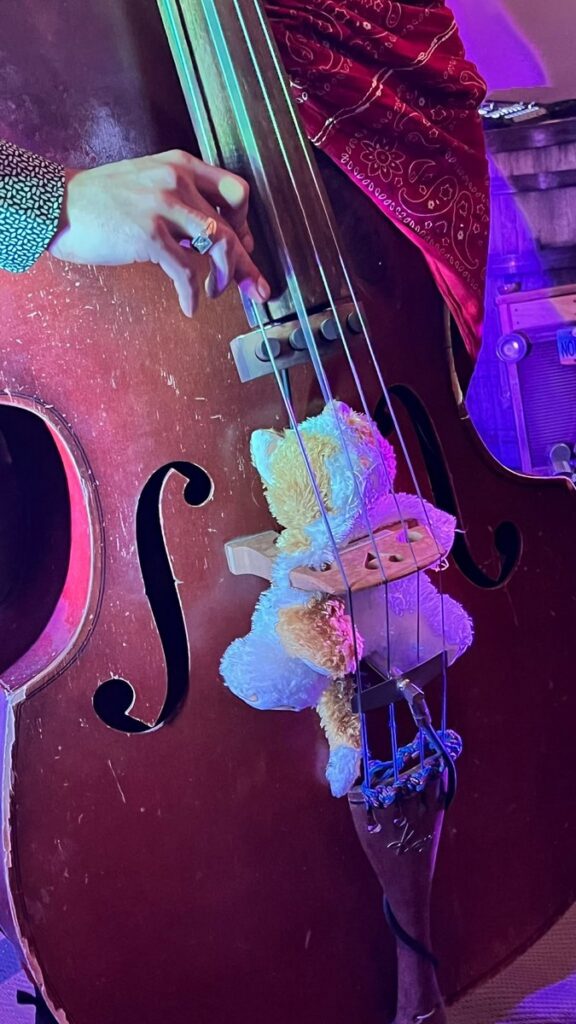
Lost Cabin has quietly figured out a balance that a lot of venues struggle to find. The room was full Thursday night when MoonCats rolled through, but it never felt crowded in the wrong way. Service stayed on top of things, conversations floated easily through the taproom, and people seemed genuinely happy to be there.
Part of that comes down to how the space works. If you wanted to really listen, you could settle into the room with the band. If you wanted to catch up with friends, the other room gave you space to talk without stepping on the music. Some people were clearly there for the show, others were there to say hello to people they knew, and the two somehow coexisted without friction.
MoonCats’ self-described “Americonscious Campfire Folk” fits a room like that naturally. Their mix of banjo, upright bass, guitar, mandolin, harmonica, and washboard creates the kind of sound that feels less like a performance and more like a gathering. By the end of the night there were plenty of smiles, a few dancers moving around the edges, and the sense that people were exactly where they wanted to be.
The MoonCats will be back in the Black Hills playing at the Prairie Dog for their one year anniversary party on March 28th
Side Quest
Featured Artist | Pine Cone Bone Works
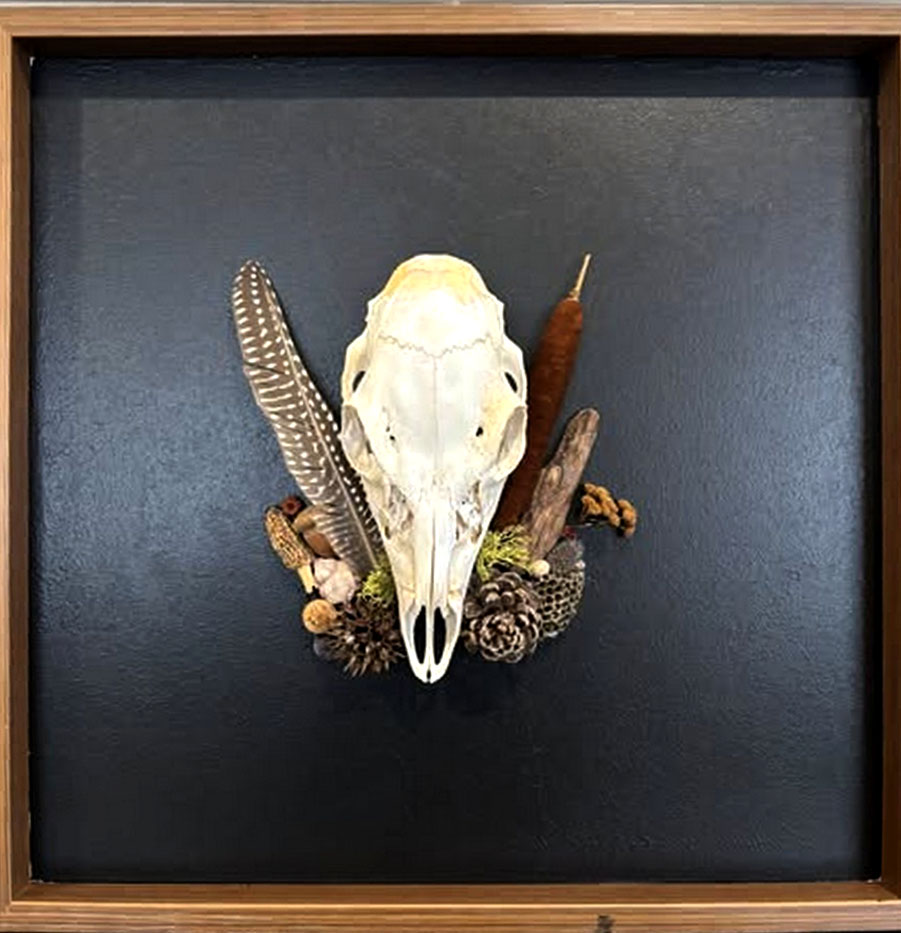
Lost Cabin also continues to treat the art on its walls with the same care it gives its music programming. The current featured artist, Pine Cone Bone Works, builds sculptural pieces using materials gathered directly from the Black Hills landscape.
Bones, feathers, pinecones, dried plants, and seed pods are carefully arranged inside shadowbox frames against dark backgrounds that let the textures stand out. The pieces feel part natural history and part quiet tribute to the place they come from, small compositions built entirely from what the land provides.
There is an art reception for Pinecone Boneworks at Lost Cabin on Sunday March 22nd from 2:00-4:00
Friday
Dahl Arts Center | Photography Showcase
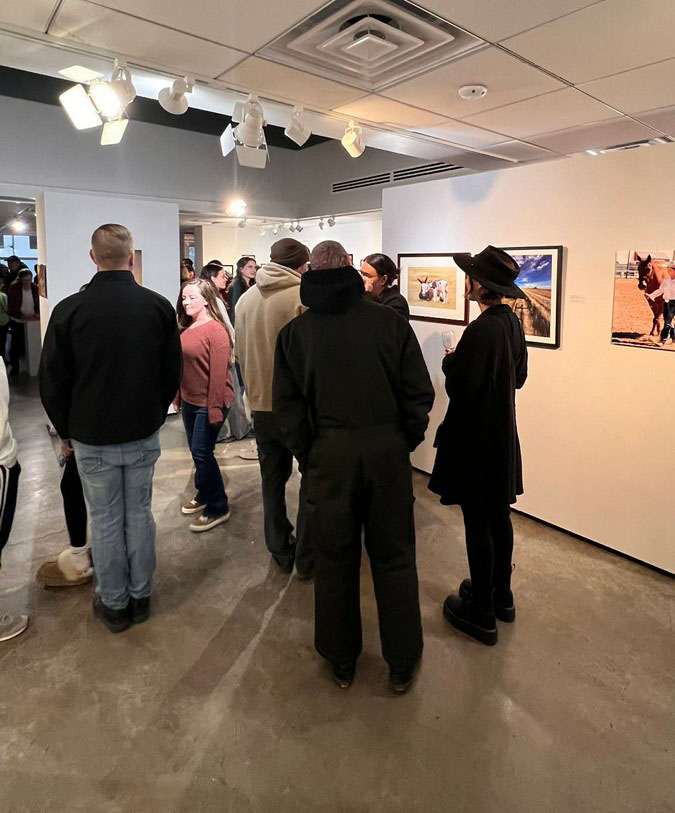
The Dahl Arts Center was packed over the weekend for this year’s community photography exhibition, which invited photographers to explore the idea of “home” through images connected to the Black Hills and surrounding region.
The show drew roughly 250 submissions, with about 55 photographs selected for the gallery. With that many artists involved, the reception carried a lot of energy. Photographers, families, and friends filled the space as people waited to hear which pieces would receive awards.
One image that stood out was Russell Jensen’s Seeking Shelter, which took Best in Show. At first glance the photograph feels understated, but the longer you spend with it the more it reveals. Layers of trees frame the view toward a distant town while a lone figure moves down the tracks in the foreground. It’s the kind of image that rewards slow looking, quietly building its story the longer you stay with it.
Home in Focus will be up at the Dahl Arts Center until May 2nd, 2026
photos by Russell Jensen, Sage Studios
SUNDAY
Black Hills Community Theatre | City of Angels
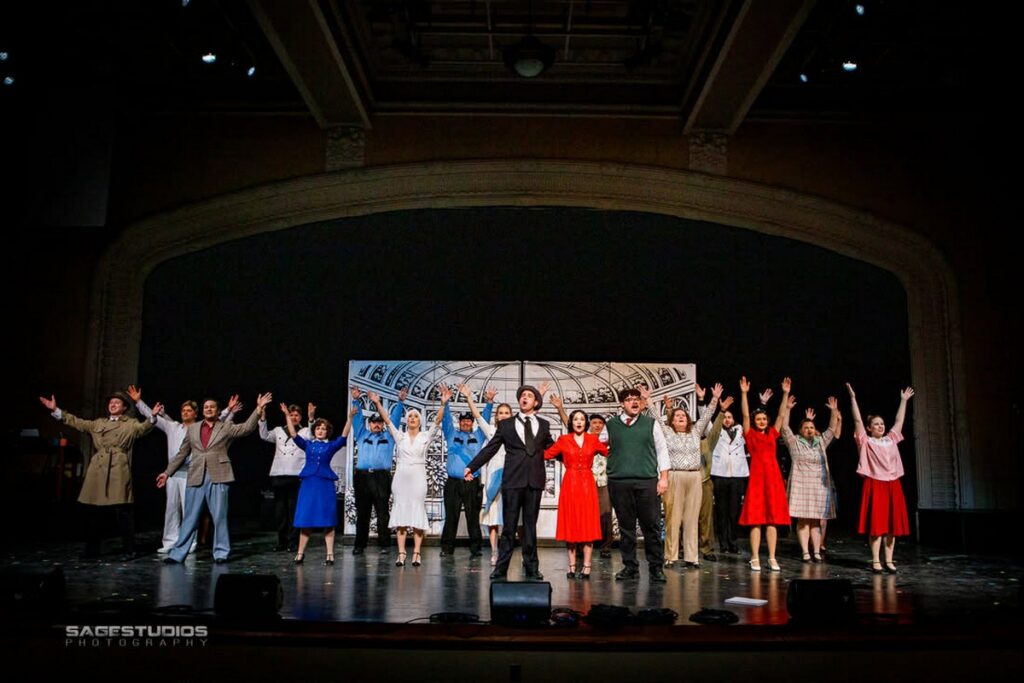
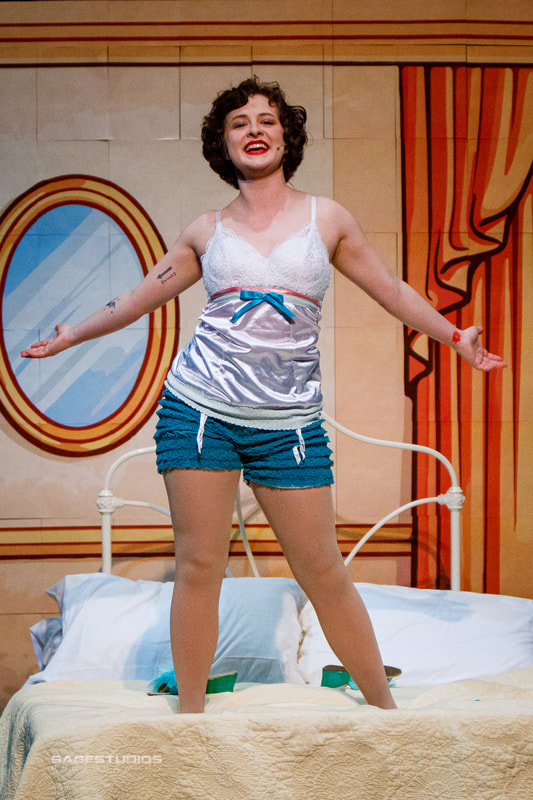
Sunday afternoon brought a different kind of performance with Black Hills Community Theatre’s production of City of Angels. What stood out most wasn’t a single performer but the ensemble itself. The cast worked as a complete unit, with voices blending powerfully in the large musical numbers while several performers could easily fill the auditorium on their own when the moment called for it.
The show’s concept adds another layer of intrigue. City of Angels flips between two worlds: the noir detective story unfolding inside a screenplay and the real-life Hollywood writer struggling to finish it. The production makes that contrast visually clear. The noir sequences live in black-and-white costumes and cool blue lighting, while the writer’s world shifts to warmer colors and brighter tones.
A live orchestra anchored the entire production, landing every transition and musical cue with precision.
Productions like this also highlight something remarkable about community theatre. City of Angels brought together 22 cast members, 15 people on the crew and production team, and a 14-piece orchestra. That’s roughly 50 people from the community working together to bring a single show to life on stage.
Several performances stood out along the way, including Dakota Morgan as Stine, Tom Powers as Stone, Leslie Hopton as Gabby/Bobbi, and Rose Lamoureaux as Donna/Oolie, whose voice and stage presence commanded the room. Dave DeChristopher also drew plenty of laughs as Buddy/Irwin, delivering just enough pompous flair to make the characters appropriately unpleasant while still providing some welcome comic relief.
City of Angles runs for one more week at the Performing Arts Center of Rapid City in the Historic Theater – for tickets visit https://app.arts-people.com/index.php?show=286499
SUNDAY NIGHT
MAUL & SLAGGG
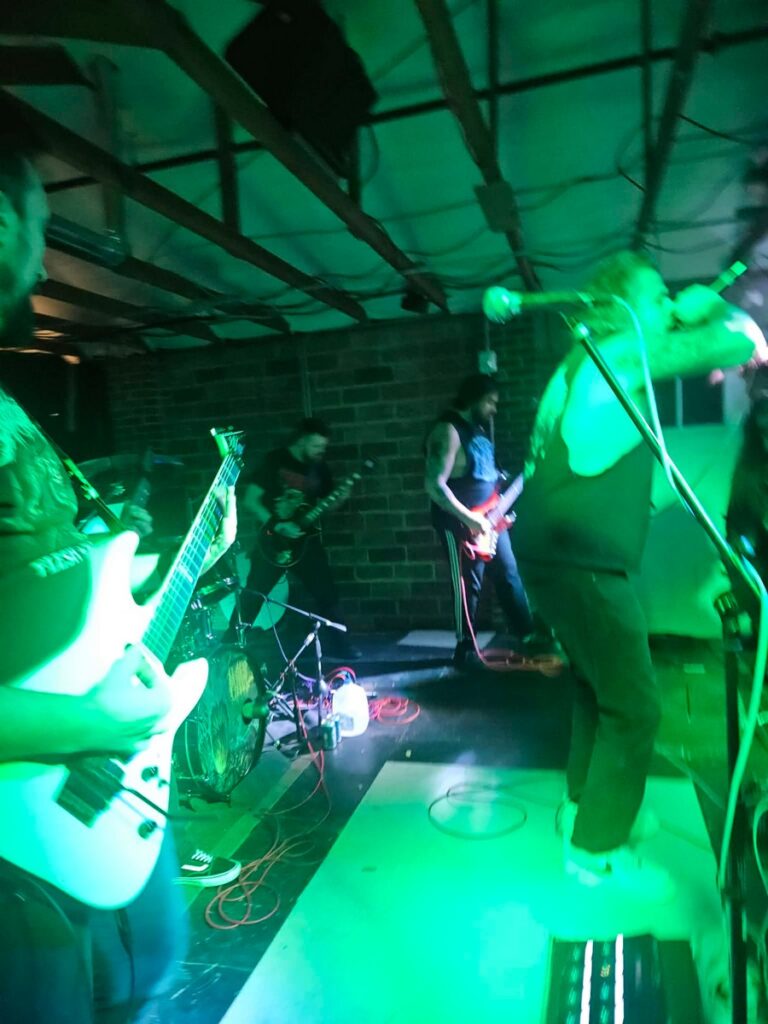
SLAGGG kicked the show off with a wall of pounding drums, thumping bass, and cavernous screams ripping through the room. From the first hit, the riffs were relentless, sharp, heavy, and built for chaos. The band kept the energy cranked the entire set, driving the aggression with ferocious vocals and a stage presence that demanded movement. The drums didn’t let up, the bass locked in like a war machine, and before long the pit was alive. If you weren’t already awake when SLAGGG started, you were by the time they finished.
After a quick beer break, MAUL stepped up and immediately cranked everything to eleven. The pit re-ignited the second they launched into their first track, fueled by the band’s thick, dark death metal energy. With three guitarists on stage stacked on top of the bass, the sheer weight of the riffs was massive, and the layered progressions gave the songs a brutal sense of depth. Their set had everything you want from a proper death metal show: crushing half-time sections built for headbanging, blistering fast shredding, guttural screams, and circle pit collisions that kept the floor in constant motion.
It was absolute chaos in the best possible way. At one point a kid even busted out a full backflip in the pit, which pretty much summed up the level of insanity in the room.
Across a single weekend you could move from a packed brewery listening to campfire folk, to a gallery filled with photographers reflecting on what “home” means in the Black Hills, to a theatre where fifty community members worked together to bring a musical to life, and end the night inside a roaring death metal pit.
Different rooms. Different audiences. Different sounds.
But the thread running through all of it is the same: people continuing to build spaces for art and showing up to share those moments together.