Author: Admin BHAB

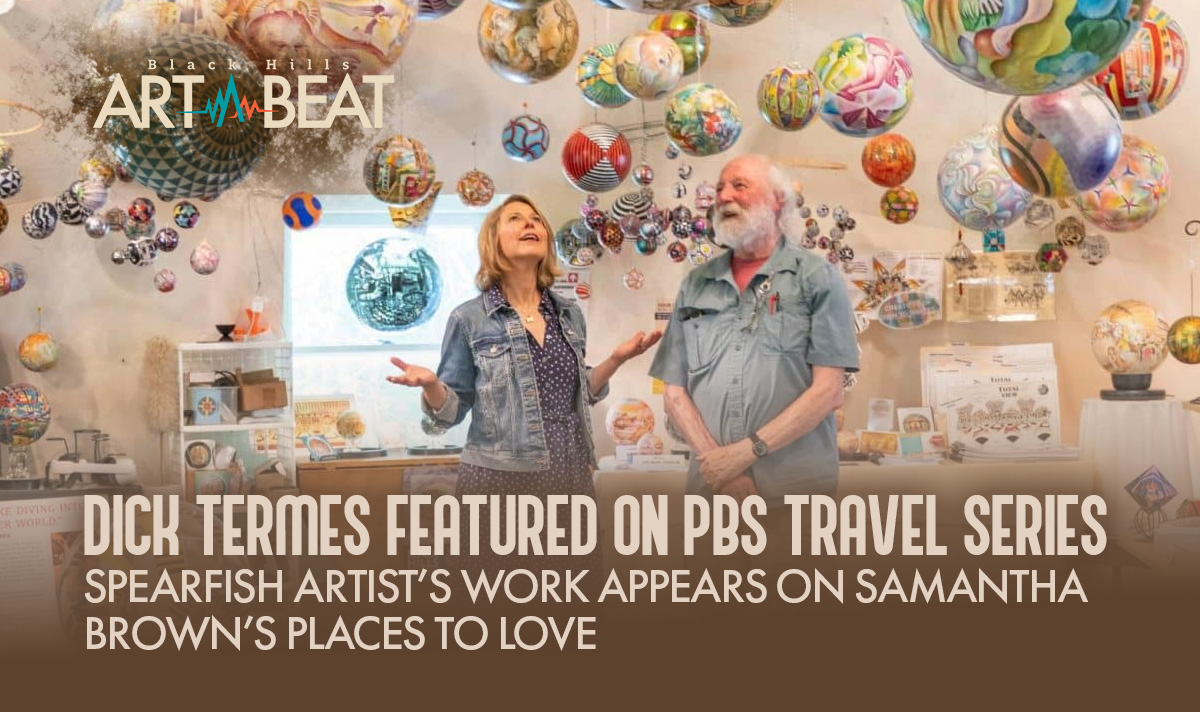
  • Black Hills Artist, Dick Termes, Featured on PBS Travel Series

    Black Hills Artist, Dick Termes, Featured on PBS Travel Series

    The feature comes from Samantha Brown’s Places to Love, a PBS travel series that airs nationally. Brown spent years on the Travel Channel before bringing the show to PBS, where it has continued to run across the country and build a steady audience.

    This episode, Art & Artisans, follows eight artists in different parts of the U.S. Dick Termes is one of them.

    Out past Spearfish, the setup hasn’t changed much. The Termesphere Gallery sits a little off the side of a dirt road. Then you step inside the geodesic dome, the room opens up, and entire worlds, dozens of them, spin all around you.

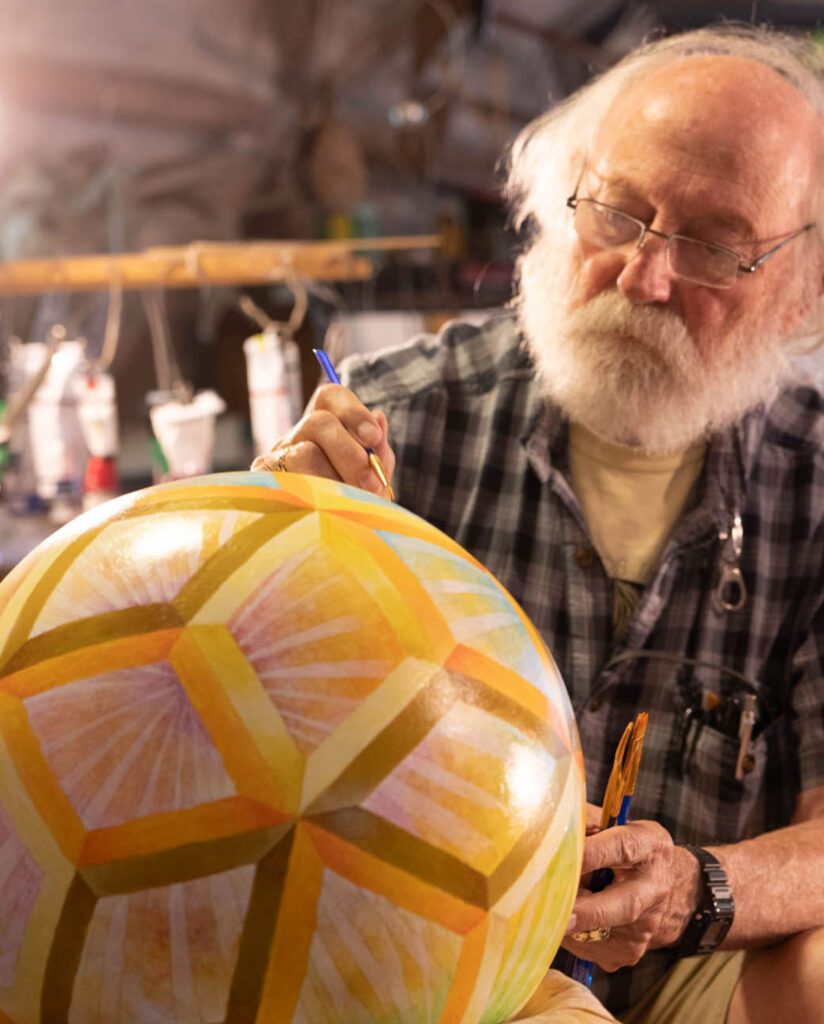
    Each one is built from the same idea. Instead of painting a single view, Termes paints the entire environment, every direction at once. Up, down, behind you, all wrapped onto a sphere.

    He’s been working on this idea for decades. As a painter, one viewpoint wasn’t enough. So he pushed past it, developing six-point perspective so he could paint everything on one spherical canvas, not just what he could see in front of him.

    You don’t really look at one of these and move on. You stay with them, watch them closely as they turn. You wait for that little detail you just noticed to come back around again. The longer you stand there, the more you realize Termes is showing you an entire world.

    That’s what Brown leans into in the segment. Not just how the spheres look, but what they ask of you as you’re standing there with them.

    When she asks Termes what he hopes people take away from art, his answer surprised her with its simplicity: “Be aware of the total visual space in front of you, turn around, take it all in…”

    Samantha’s show itself is built around stopping and celebrating those obscure little places when we travel. Not obvious landmarks, but quieter places where someone has been working on something long enough that it becomes its own destination. In this episode, that includes studios across the country.

    In this case, that place sits just outside Spearfish, right here in our own Black Hills. A geodesic dome tucked off a dirt road, filled with work that doesn’t really fit anywhere else. The gallery doesn’t need a show to explain what it is. Anyone who’s made the trip out there already knows. This just puts it in front of a few more people who might not have found it otherwise.


    Watch the full eposode of Samantha Brown’s Places to Love: Art & Artisans


    Samantha Brown’s Places to Love
    airs on PBS stations nationwide and is available for streaming through PBS platforms.

    Dick Termes and the Termesphere Gallery are located at 1920 Christensen Drive in Spearfish, SD. Learn more about his work at termespheres.com

  • Phillip Daniel and Alex Massa at HayCamp

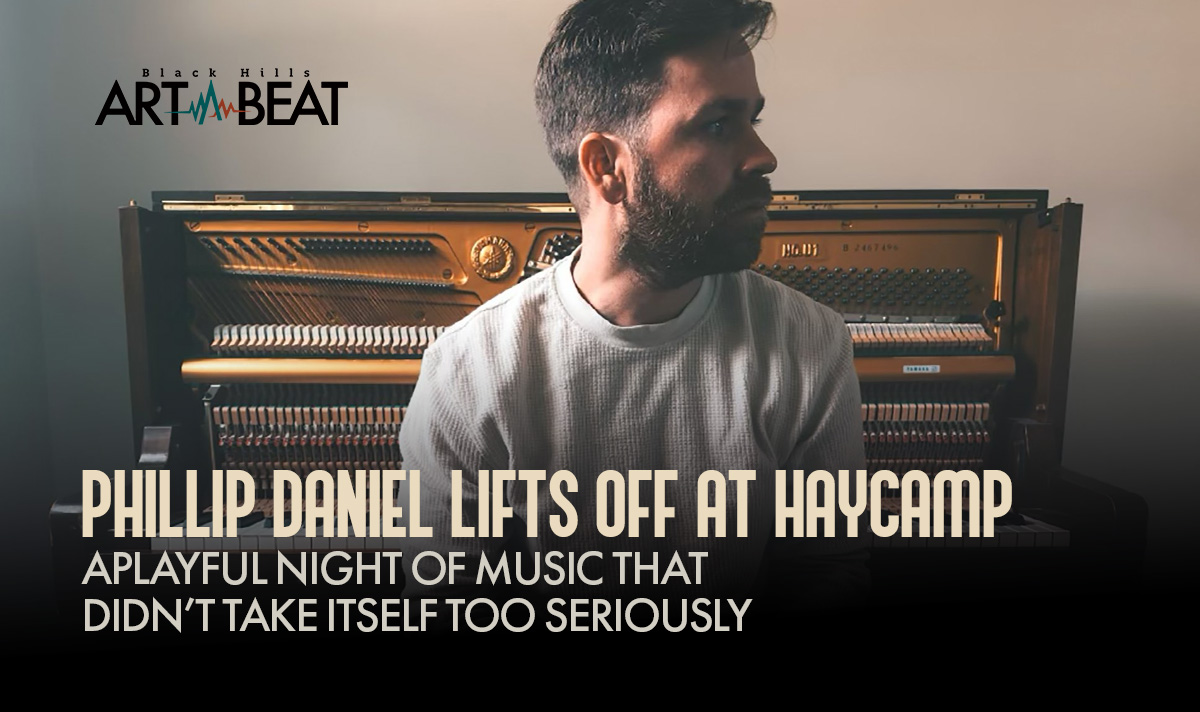
    Phillip Daniel and Alex Massa at HayCamp

    by Orange Ficus • March 21, 2026

    It’s Saturday, March 21st (sometime between six and six-thirty PM) and Phillip Daniel is jumping out of his seat.

    Literally.

    If only for a moment of flight; for a fraction of the beat; for the smallest of breaths, Phillip Daniel leaps from the black leather bench below.

    All the while, the man whirs like a gyroscope: fingers leap through looping arms in polyrhythmic swayings, piano keys tangle and clunk and unclunk, pedals are mashed, and the stage creaks aplenty. An orbit, of sorts, his body careens and crouches. He leaps, pulls away, rides the shock, only to swing back. Boomerang. Always, on solid Earth, he lands.

    And it’s in that return that I believe Phillip Daniel has found a groove. Sun Ra donned silvery metal armors and kaleidoscopic knittings and religiously sought after that interstellar chord. A groove that gazes up to the cosmos.

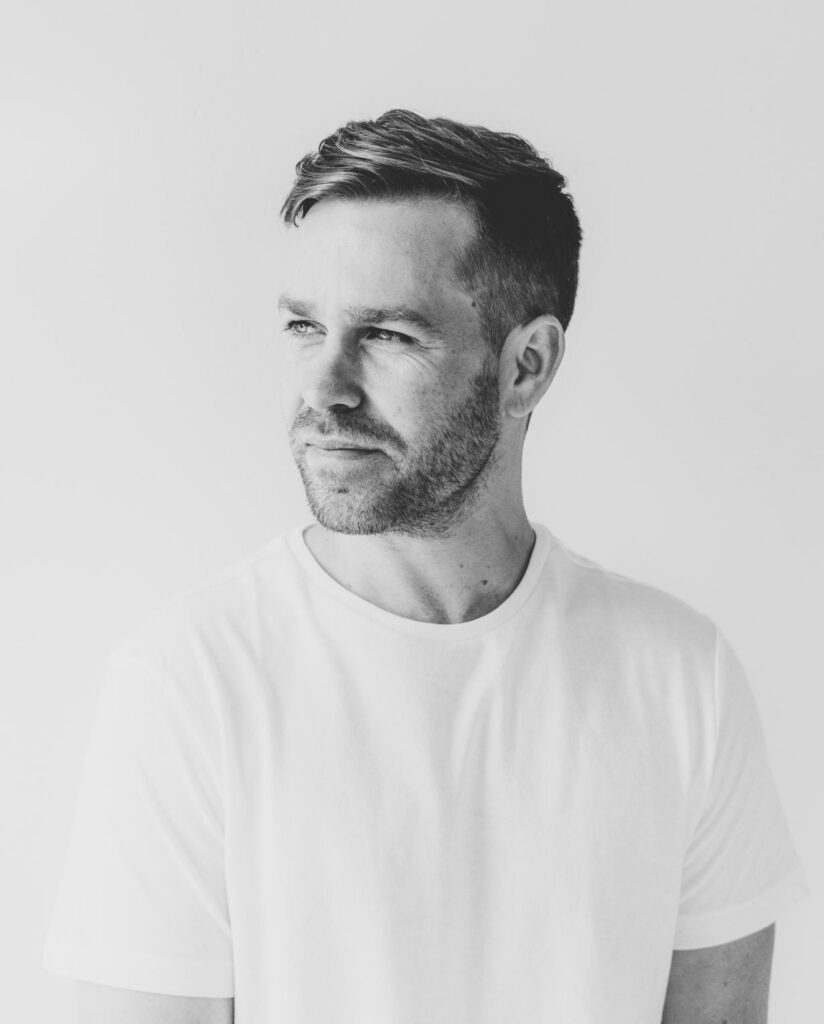
    Phillip Daniel wears a black sweater and black slacks and shortened his second set to watch basketball (his beloved Huskers were tipping off), and he searches for something a little more human. His is a groove that gazes back at Earth.

    Even the stage took on the luster of early spring as, saturated in green and yellow spotlights, Alex Massa and Phillip Daniel guided their audience through a veritable feast of instrumentation: drum pads and tambourines and synthesizers and keyboards and melodicas and triangles and trumpets and rain sticks.

    This “reverb duo,” as Massa dubbed them, first met on a whim. Story goes that Daniel happened to be in the Black Hills at some point and, without knowing a thing about him, agreed to play a gig with Massa.

    The punchline is that Daniel considers himself a composer, a more careful and considered form of musical improviser. Alex Massa, on the other hand, is the founder of 501(c)(3) nonprofit IMPROVISEARTS. When asked before their first gig, “you’re not gonna make me improvise, are you?”, Massa chuckled and promised him. Absolutely, yes.

    Massa cut his teeth playing jazz in New Orleans, “allergic to making a plan” (according to Daniel). Daniel is a classical musician who, as of late, specializes in ballet and film scores.

    The irony of these two very different backgrounds is that not at all do they clash. Together, this “reverb duo” assembled a highly moving and rhythmically complex setlist, and all the while kept room for play.

    At times, they shapeshifted before our very eyes from professional musicians to two bros screwing around in the basement. And, given the stuffy norm of symphonies and operas and concertos and the like, they proved rather poignantly that classical music pairs well with an ice-cold beer (shoutout to HayCamp Brewing Company for hosting).

    In the segments of the show dedicated to improvisation, the duo played more like a jazz band. Leaning into looping melodies and “perpetual rhythms,” they took alternating and, sometimes, competing swings at jazzy riffs, expertly playing with tempo, scale, and tone. A dialogue in trumpet and piano, they swung hard back and forth, outpacing each other, shifting keys on each other, cornering each other into wholly new melodies and rhythms.

    In a word, play (see what I did there?).

    And yet, always returning; finding delight in the happenchance synchronicities, in the accidental harmonies, in the unison, momentarily.

    And, unless it was an accident due to my own mishearing, I’m almost certain that Phillip Daniel’s opening song “THIS TOO COULD CHANGE” is written as a fractal. Like river deltas and plant growth, it’s a melody within a melody, played at different tempos and folding from and into itself and, ultimately, returning back to its most gentle genesis in silence.

    This all doesn’t mean they didn’t stray into the strange and spacey. Much of the show was strange (in the best way) and, in fact, halfway through the set, Massa and Daniel dipped heavily into the dysphonic.

    Here, I then thought at my table, here comes the space music.

    And, surely enough, for a brief moment I found myself in church on Mars. And yet, as soon as it arrived, the dysphonic dissipated, “already swallowed in the sea.”

    A blessed return.

    In this, the age of the billionaire space race, Daniel’s Earthly soundscapes were a breath of fresh air. And, given the look of utter peace on his face as he played “FLOWERS,” the last song of the night, I think he might agree.


    This weekend marked Daniel’s fourth performance in Rapid City. It was made possible by Massa’s nonprofit IMPROVISEARTS (started in 2023, it supports all matters of artist development, focusing heavily on Black Hills high school students… for more information, visit improvisearts.org).

    This weekend marked Daniel’s fourth performance in Rapid City.

    It was made possible by

    Alex Massa’s nonprofit IMPROVISEARTS
    (started in 2023, it supports all matters of artist development, focusing heavily on Black Hills high school students… for more information,

    visit improvisearts.org

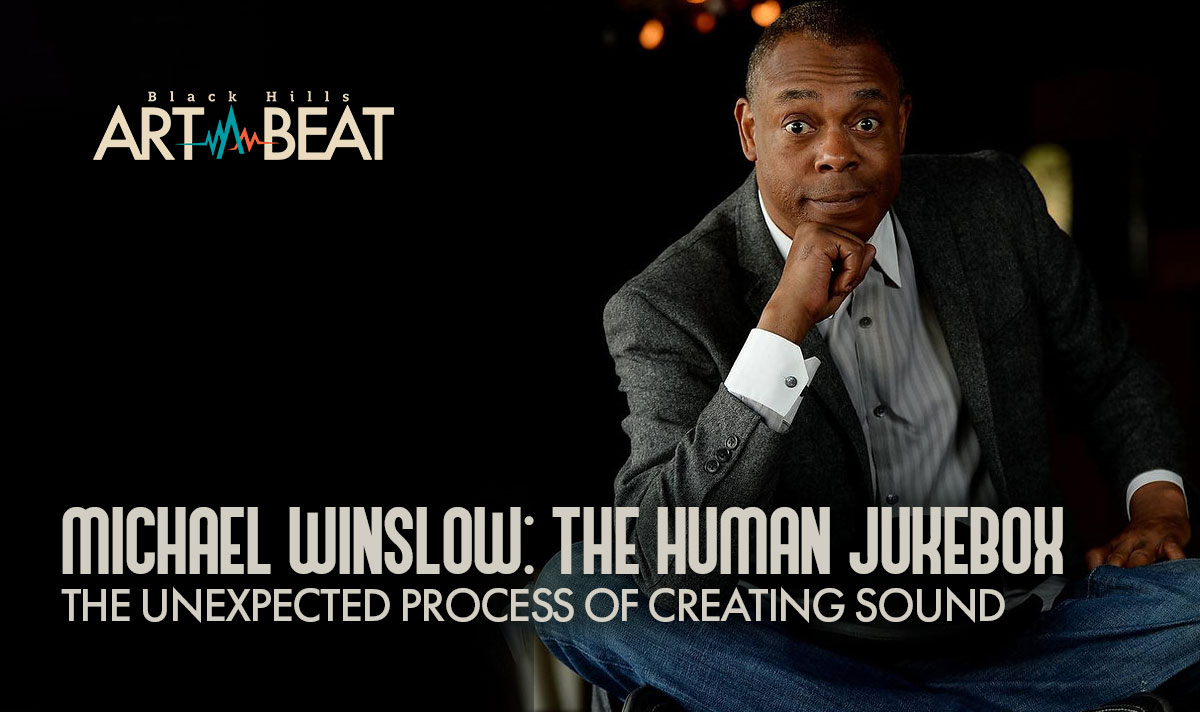
  • Michael Winslow: the Human Jukebox

    Michael Winslow: the Human Jukebox

    Michael Winslow & Friends @ the 707 Sports Bar & Nightlife, March 27, 2026

    By Bonny Fleming

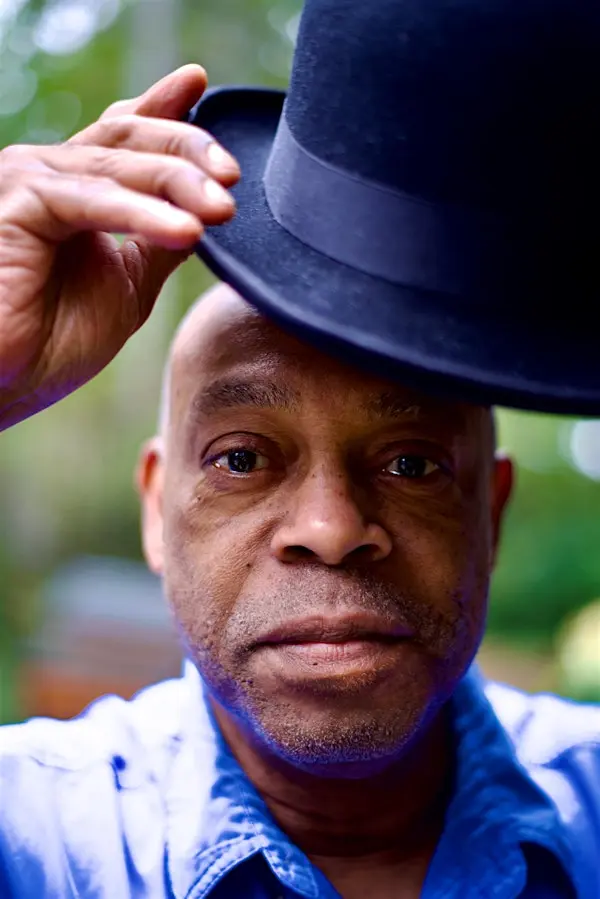
    Think about the movie Police Academy for a second. What’s the first thing that comes to mind? For most people, it’s that sound effects guy. That guy who could turn his voice into a helicopter or machine gun. We all watched that movie, and somehow that’s the part that stuck out the most.

    The same thing happens with Spaceballs. Michael Winslow is on screen for a little over a minute, and still, you know exactly who he is and what he does.

    Winslow is coming back to the Black Hills. What he’s doing on stage now has moved well beyond those early impressions. The show isn’t constructed around a single bit or a recognizable trick. It’s been developed over time and carefully crafted into what it is now.

    I had the chance to speak with Michael ahead of his return to Rapid City, and the conversation moved like his work does. One idea bent into another, and the conversation was fluid, filled with stories from a different era.

    I came prepared with some pretty well-crafted questions. It didn’t take long to realize I wasn’t going to be able to follow them down the page. What I got instead was a glimpse into how he thinks, how he tells stories, what shaped him into the person he is, and how he uses his abilities to craft a truly unique experience. After our brief chat, I started to understand how what once felt like a novelty had etched itself into our collective consciousness all these years later.

    What he’s bringing on stage now isn’t quite what those of us who know him from those earlier films might have in mind. When I asked what people could expect, he said, with a hint of a grin, “it’s a surprise.”

    Long before any of that, before the stages and the films, he was already playing with different ways to compose sound.

    When cassette tapes came, he started experimenting with recording his own sound effects. He described it almost like a system. One recorder playing back while he added another layer on top, then feeding that into a second recorder, adding more, and sending it back again. He described it as a fight scene assembled out of nothing but sound.  Layer by layer, passing it back and forth until it felt full, like a room filled with people who weren’t actually there. The method hasn’t really changed. Only the scale has.

    Winslow’s biggest asset is still his voice. The sounds are still there, but the performance has grown into something closer to a concert. Only, he is the band, creating the instruments himself, recording and looping them in real time until the song comes together. Along the way, he threads in stories that become part of the entire experience.

    His rise didn’t come from nowhere. Early on he was living out of his car, bouncing between opportunities, eventually landing at a radio station in Pasadena, KROQ. At the time, it was a strange mix of surf, punk, and new wave, the kind of place where things weren’t fully defined yet. Even then, he didn’t arrive there in any traditional sense. Someone needed a voice on air, and he stepped in. There, he’d layer his sounds over songs live on the air, adding effects and bending the music as it played.

    He was cast in Cheech and Chong’s Next Movie after a casting director saw him in the San Francisco Big Laugh Off, where he made the finals. The production ran on improvisation, and they found a way to work him in. Not long after, while opening for Count Basie, the sound cut out mid-set. Without much hesitation, he pushed a small orange amp and microphone into Basie’s piano and kept it going. Moments like that seemed to lead him to his next adventure. From ther it was on to Police Academy, where most people first remember him.The work kept building, and to date he has more than seventy film and television credits. He appeared in all seven Police Academy films as well as Spaceballs, where he first worked with the legendary Mel Brooks. Now, he’s returning to that world, and to Brooks, with Spaceballs 2.

    When I asked about influences, he didn’t list the names I had in mind. He talked instead about the people he’d been around.

    “There were a lot of folks,” he said. “I don’t even know where to begin. So many people helped me along the way.”

    He talked about watching careers unfold in real time, Kim Cattrall moving into bigger roles, Steve Guttenberg into Cocoon and Three Men and a Baby. In Back to the Future Part III, he became Michael J. Fox’s footsteps for a scene. It wasn’t framed as influence so much as exposure. He was in the room while things were happening, taking what he could from it each time. “They weren’t all gems,” he said. “But that’s life.”

    Over time, you can see that instinct in how he works. Winslow talked about sound like someone might talk about dialects; learned, and slightly different for everyone. One sound leads to another. You might start chasing a guitar tone and end up somewhere else entirely, closer to percussion, in a place you wouldn’t imagine things to go.

    “It’s a language,” he said. “Some sounds stay fixed, recognizable, tied to a specific place or identity, but most of it is in motion.”

    That same instinct carries into how he approaches a room. Every space has its own personality, and each experience is crafted for that moment. It doesn’t seem to matter whether it’s a few hundred people or tens of thousands, what matters is whether the connection happens. He recalled seeing Tracy Chapman for the first time, just her and a guitar on a massive stage, and the whole place settled, like the heartbeat slowed down together. That’s the standard for him, not scale or production, but connection, and the ability to customize each performance for the space you’re in rather than bringing the same set from place to place.

    Right before we wrapped up the conversation, I asked if there was anything I had missed, anything he wanted people to know that we hadn’t covered.

    “no, but I do have some music for you.”

     He told me to listen to two songs.
    Romantic Warrior by Return to Forever.
    The Seduction of Claude Debussy by The Art of Noise.

    I took that seriously. When someone gives you a song, it’s usually for a reason.

    I put the songs on as I started going through my notes, and it didn’t take long to feel like he wasn’t just sharing music, he was inviting me to follow it somewhere. Romantic Warrior builds and shifts constantly, never settling into a single idea for long, while The Seduction of Claude Debussy takes what you think you know and blends it into something else entirely.

    After a while, it clicked. The songs moved like our conversation did. He crafted that conversation just as he creates his sound, bending it, and letting it unfold until everything came together.

    Throughout the interview, he stayed just out of reach of the obvious answers. Questions like what the audience can expect or whether he has a favorite sound never really landed cleanly. He moved around them, letting the idea drift instead of pinning it down. But at the very end, he gave me two songs, and suddenly the answers were there, just not how I was asking for them.

    And that’s the point. It isn’t meant to be explained. It’s meant to be experienced. The songs were a way in, but the real thing happens in the room, in real time. If you want to understand what he does, you’ll have to be there when it happens.

    ______________________________________________________________

    Michael Winslow returns to Rapid City on March 27 at 707 Sports Bar & Nightlife, with a show that starts at 7:30 PM. The performance leans more toward a live concert than a traditional comedy set, with Winslow creating and layering sound in real time, shaping each piece as it unfolds in the room.
    The night also features host Morgan Preston and a lineup of local Black Hills comedians, with a social hour beginning at 6:30 PM.
    General admission tickets are $25, with VIP available for $45.
    Tickets are transferable but non-refundable. This is a 21 and over event.
    Tickets and additional details are available here:
    https://thepark.ticketspice.com/michael-winslow-2026


    Michael Winslow & Friends

    707 Sports Bar & Nightlife,
    March 27, 2026
    Social Hour 6:30 PM. Show starts at 7:30

    TICKETS:
    General admission:$25,
    VIP: $45.
    Tickets are transferable but non-refundable.
    This is a 21 and over event.
    Tickets and additional details are available here

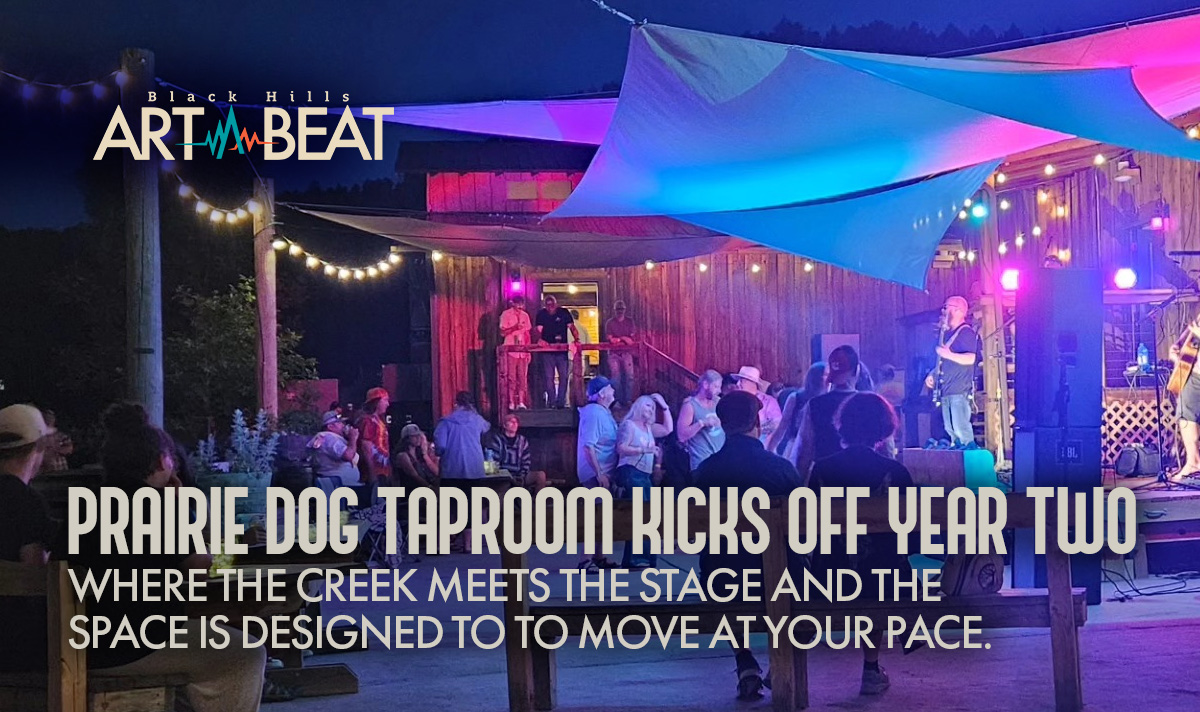
  • Prairie Dog Taproom Kicks Off Year Two with a party

    Prairie Dog Taproom Kicks Off Year Two with a party

    First anniversary Bash Featuring MoonCats and Dakota Shivers Brewing

    March 28, 2026 • 2:00 pm @ The Prairie Dog Taproom

    The whole thing started over bourbon in Spearfish. A buddy asked Michael Chidiac what he planned to do with his retirement. Four drinks in, they were talking about hot dogs. Five years later, they’re throwing a party.

    That conversation eventually produced a pop-up tent in Custer, a food truck that blew over in one of those Black Hills thunderstorms, two seasons at Miner Brewing, and eventually a home alongside a lazy creek outside of Hill City. Along the way, Michael and his brother Jimmy were cataloguing everything that drives people crazy about going out. They called it the “eight waits.” The table, the order, the drinks, the check. The problem was never the food or the beer. It was all the time in between that nobody was giving back to you.

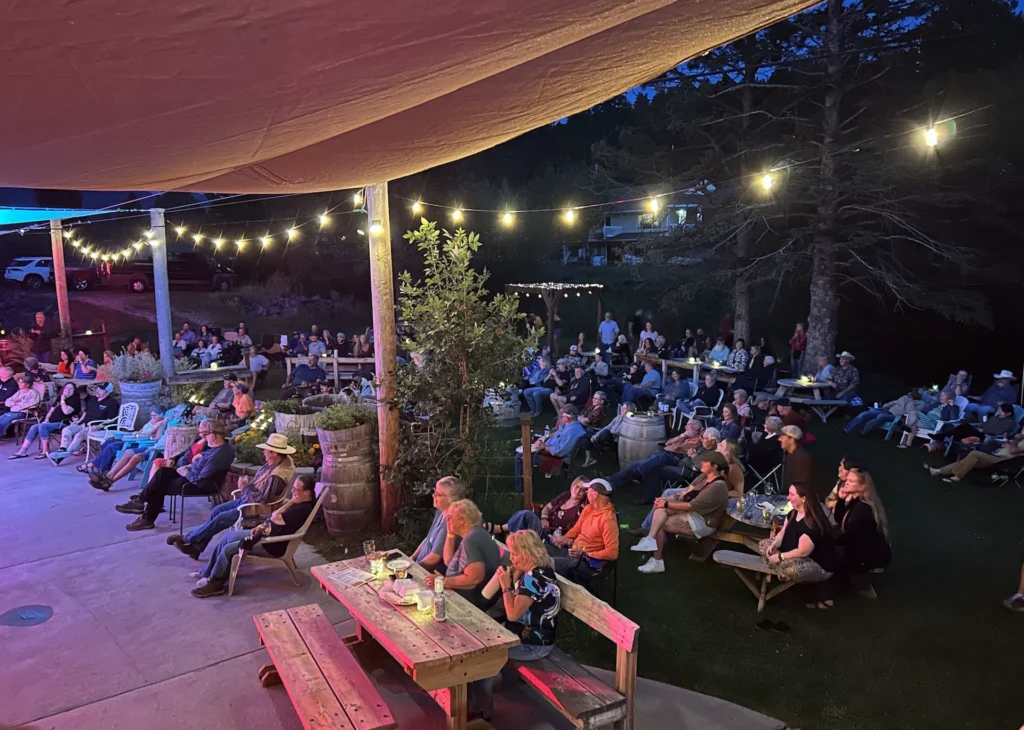
    When Miner sold, they started looking for a permanent place to call home. Jimmy pushed Michael toward a former Smokejumper Station on 1.6 acres in Hill City. Michael wasn’t sold until Jimmy took him out back. There was a creek, and a natural cove between two structures that framed a stage almost perfectly. The sun set behind it. The audience would look in. He saw the vision immediately.

    The Prairie Dog Taproom opened in the spring of 2025 and was built around the idea that your time there is yours. The taps are self-pour, the food is ordered by QR code, and the menu features hand-stretched pizzas, bison burgers, and artisan hot dogs. The conversation doesn’t have to stop for a refill or a check-in from a server. You stay as long as you want and leave when you’re ready. On busy nights, that difference shows up in small ways. People settle in instead of hovering. Groups spread out instead of lining up. It’s not unusual to look around and realize no one’s paying attention to their phone.

    The music side took shape the same way. Michael and Jimmy brought in production engineer Nate Moon, who has spent 15 years running sound and lights for major regional acts. Nate turned a 30-day outdoor build into something that stopped them cold on opening night. Camp Comfort played under the lights, and the three of them sat in the back and watched the shadows move with the performers, the sun dropping behind the stage, the whole yard glowing in a way nobody had planned for. They had been drawing up a permanent covered structure. They scrapped it that night.

    In year one, the Prairie Dog hosted 70 shows. They brought in five Nashville acts, a patriotic series featuring the 147th Army Band, local Rapid City staples, and regional acts nobody in the southern hills had seen before. When a show didn’t fill the way they’d hoped, the venue gave people their ticket money back. Not because they had to, but because the kind of place they were building was worth the patience it required to grow the audience.

    As they round the calendar into year two, acts are calling to get booked based on what they heard from artists who played there. The crowds are getting bigger, and the brothers already have 40 shows booked before the first anniversary party has even happened.

    They’re continuing to bring in stronger regional acts while keeping space open for local performers who are part of the fabric of the Black Hills scene.

    It’s less about building something new and more about understanding what’s already there. A year in, Prairie Dog Taproom has started to settle into its role. A place where the experience of a show still feels personal, even as the crowd grows.

    At the end of the month, they’ll mark that first year with a full-day bash on the creek. Dakota Shivers Brewing out of Lead takes over the taps at 2 p.m. Buckskin Cult from Spearfish follows at 4. MoonCats, the North Dakota Americana act that became one of the venue’s defining bookings in year one, closes the night. A special Irish-inspired menu runs through the day.

    As the sun drops behind the stage and the lights come up, The MoonCats will take the stage the yard alongside the creek will fill up in the same way it did that first night.No one in a hurry to leave, no one waiting on anything, just folks there for a good time and one heck of a party!

    First anniversary Bash Featuring MoonCats and Dakota Shivers Brewing

    March 28, 2026 

    2:00 PM
    Dakota Shivers Brewing (Lead) tap takeover

    4:00 PM
    Buckskin Cult (Spearfish)

    Evening / Headliner
    MoonCats (North Dakota Americana)

    All Day
    Irish-inspired menu available

  • Lost Cabin After Dark returns

    Lost Cabin After Dark returns

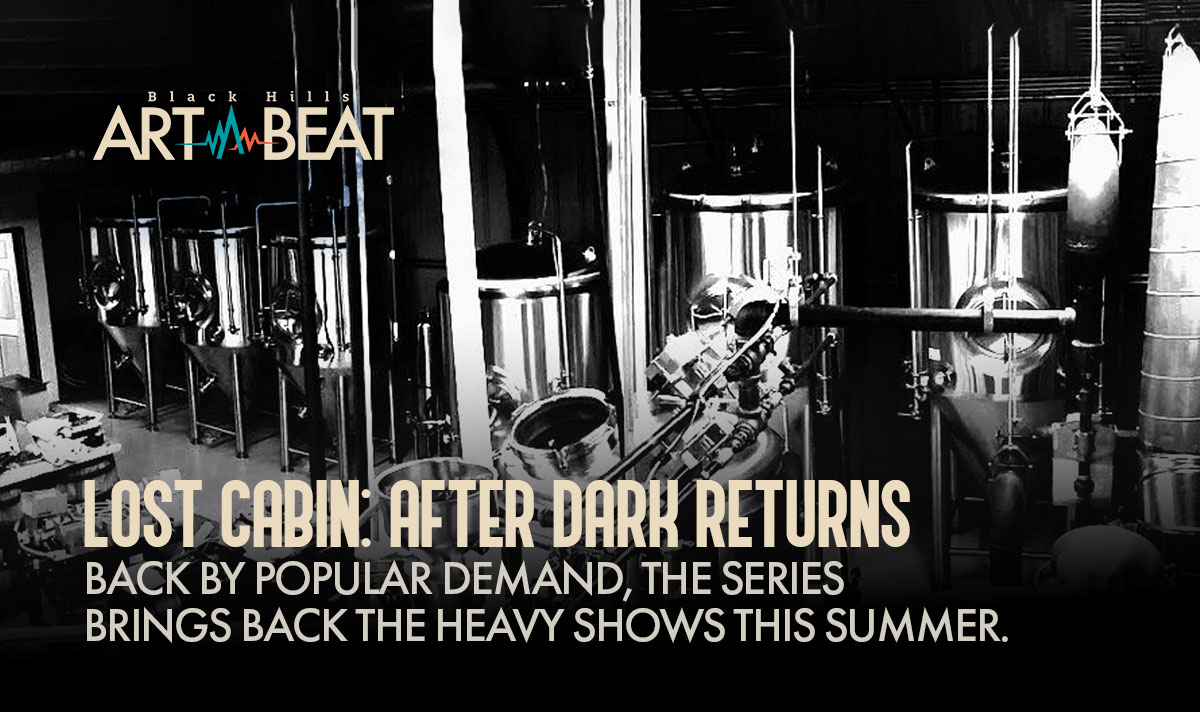
    After Dark is back at Lost Cabin, and this isn’t a series built for easy listening.

    The idea didn’t come from a booking strategy or a push to diversify the calendar. It came from the people already showing up. Regulars had been asking for something heavier at the taproom, the kind that doesn’t usually end up on a brewery calendar. When the first After Dark show ran in May of 2025, it became clear pretty quickly there was a crowd for it.

    “After getting to know our regulars over the years, a lot of people started asking for heavier shows at the taproom,” said Steph Silbernagel, owner of Lost Cabin.

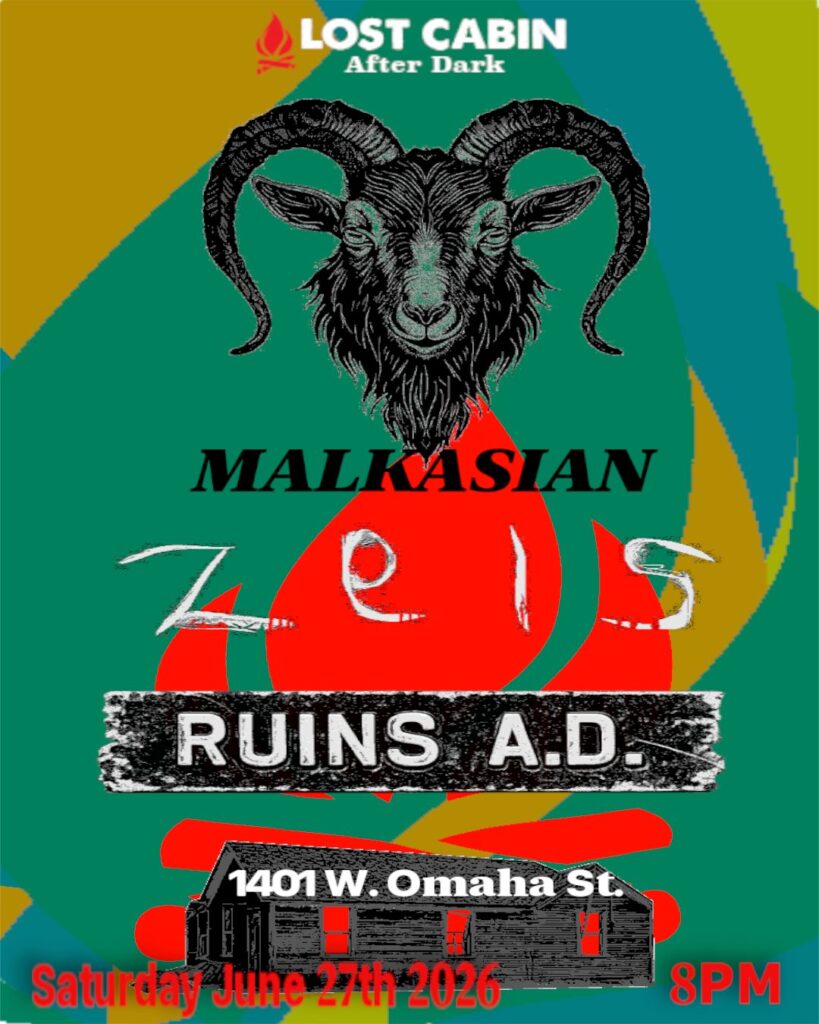
    Lost Cabin After Dark is back and kicking off the 2026 season this weekend with SuperPlex (MT), & Continuum at @8:00pm

    The series leans into a different part of the regional circuit, one that has been moving through the Black Hills for years without always having a consistent place to land. Punk, metal, and heavier experimental bands have typically relied on DIY promoters to bring them through, piecing together venues and often taking the hit financially just to make the show happen. What After Dark does is give that same network a more stable stop.

    “Pairing touring bands with locals just makes the whole thing stronger,” said Jason Beert of Left of the Dial Radio.

    Jason has been helping route bands through the region and building lineups that pair touring acts with local bands. That mix shows up across this summer’s schedule, with groups coming in from places like Colorado, Wyoming, Tennessee, and San Francisco, alongside local Black Hills names.

    The lineup itself wasn’t built to follow a strict formula. It’s come together more organically, shaped by who is on the road and who fits the bill. These aren’t the kind of sets you can talk over for long. Once the first band starts, attention shifts toward the stage.

    That shift is part of why the series matters here. Not as a statement about what the scene should be, but as a response to what’s already been happening. There has always been an audience for this kind of music in the Black Hills, and there have always been people willing to build shows around it. After Dark just gives those nights a place to return to.

    The second season kicks off Saturday at 8, picking up where that first run left off and carrying it through the rest of the summer.

    Lost Cabin After Dark

    Rapid City

  • Women’s Showcase Returns: Highlighting Voices from the Local Scene

    Women’s Showcase Returns: Highlighting Voices from the Local Scene

    The Women’s Showcase returns the The Dahl Arts Center for its second year, bringing together a lineup of musicians, poets, and storytellers from across the Black Hills. The event grew out of something already happening behind the scenes. The Dahl’s Emerging and Performing Arts Coordinator, Deb Lux, began to notice a steady wave of women showing up to First Friday open mics.

    “There are so many amazing women singers, songwriters, and spoken word artists all over the Black Hills,” she says. “This sort of sprang from that.”

    At its core, the showcase is rooted in both celebration and connection.

    “I am inspired by women,” Deb explains. “We are strong, resilient and often overlooked. I believe it is important to celebrate our achievements, to advocate for each other, and to lift each other up whenever we can. It is also an opportunity to create community and remind each other we are not doing this alone.”

    That sense of community reflects a broader change that’s been building locally.

    “In the last 10 plus years, women have become a dynamic force in the creative community,” she says. “Before, there were very few women at open mics, very few who were given opportunities to perform. It is still often male dominated, but we are working together to support, grow, and create spaces that are more inclusive.”

    The structure of the event reflects that intention. Rather than focusing on a single discipline, the showcase brings together a range of voices in one night.

    “Diversity,” she says. “We want to share the diversity of our community.”

    The result is a 90-minute program that moves between music, spoken word, and instrumental performance, with a lineup that spans generations. The evening includes 13-year-old singer-songwriter Kenna Cook alongside women who have spent decades performing, teaching, and supporting the arts in the region. The program will also include a short presentation in support of Missing and Murdered Indigenous Women (MMIW).

    While the performers represent a wide range of experience and style, the goal isn’t to elevate one over another.

    “I don’t want to say they are any more special than other performers,” Deb says. “They are all extremely talented. We are limited on time, and we will be doing other events as well in the near future.”

    What the showcase does offer is something that hasn’t always been guaranteed. Space.

    “It is important to celebrate women as artists because women are still marginalized,” she says. “We have gained opportunities and access, but it is still limited, with many more barriers to cross. When we come together as a community, it makes our voices stronger and creates hope and connection.”

    For audiences, the night is meant to carry a little further than the performance itself.

    “I hope people recognize the importance of creating space for women to showcase their work,” she says, “and feel that sense of community and the need for continued support for women performers and creatives.”

    For a scene that continues to evolve, the showcase is less about a single night and more about what it sets in motion. And for those who haven’t been yet, Deb keeps the invitation simple.

    “You will have an experience you will never forget.”

    Women’s Showcase
    ​March 21 | 6pm

    At the Dahl Art Center

    In celebration of Women’s History Month and International Women’s Day, we’re bringing together a collection of extraordinary musicians, poets, and storytellers for a night of empowerment!

    Abbey Leach & Marcia Kenobbie
    Kenna Cook
    Lily Mendoza
    Natalie Slack
    Two-Tone Clarinets: Valerie Andrew & Peggie Lovrein
    Sophia Tautkus

  • More underground DIY Shows Start Taking Shape in Rapid City

    More underground DIY Shows Start Taking Shape in Rapid City

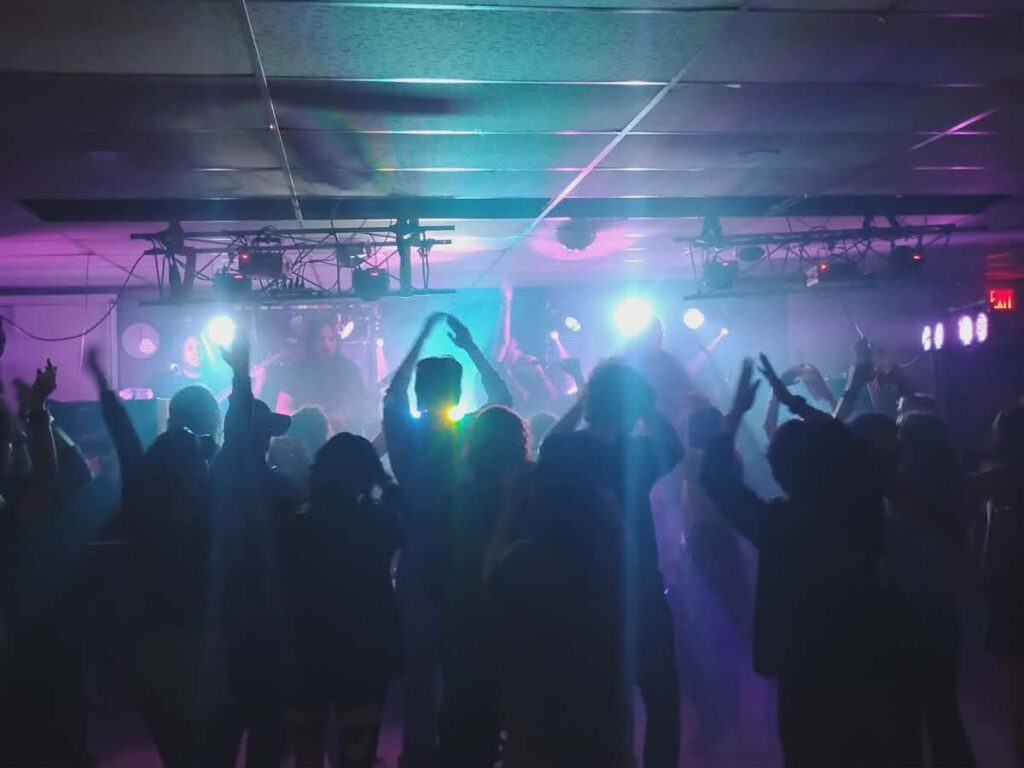
    By the time doors open, most of the work is already done. The speakers are set, cables run, lights dialed in. Bands start to trickle in, shaking hands, getting a feel for the room. Outside, a few flyers are still taped to poles downtown, doing their job.

    That part doesn’t happen by accident.

    Rapid City has seen versions of this before, with underground shows surfacing over the years. A new group of local organizers and bands is picking that work back up, bringing DIY punk shows into a more consistent rhythm. Touring bands are starting to route through again, local lineups are filling out, and nights that used to feel sporadic are starting to feel a little more steady.

    Some of that work has been coming from people like Ti Murphree. Murphree has been helping organize a run of shows in Rapid City, connecting with touring bands and building lineups that mix local and out-of-town acts. Two more shows are on the calendar this spring.

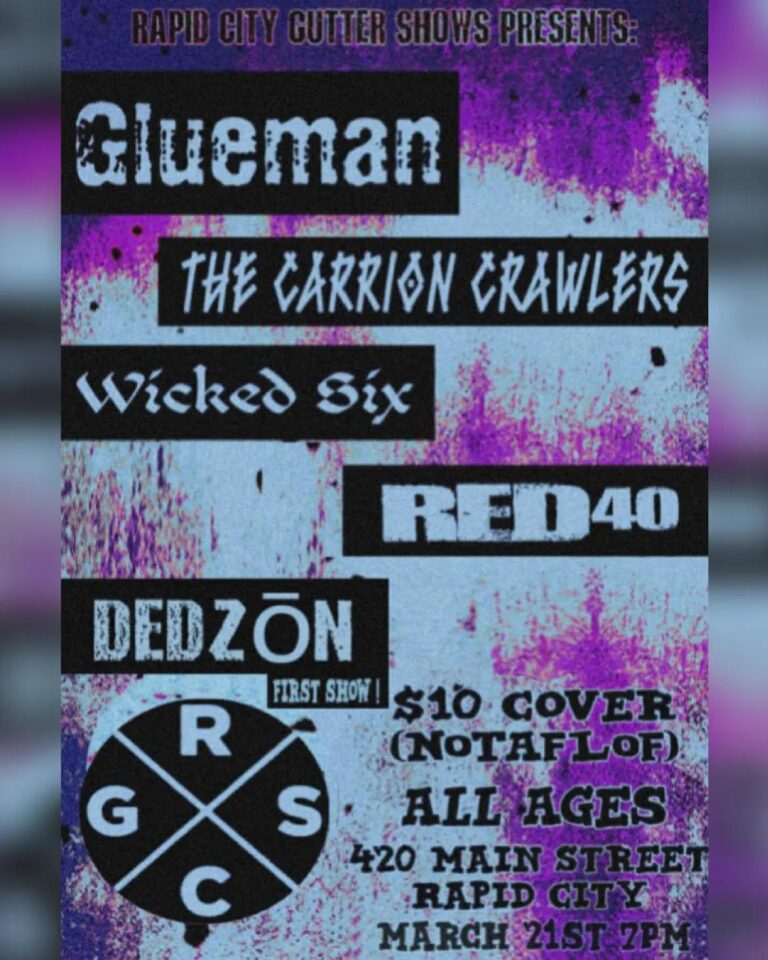
    March 21 brings the Colorado band Glueman through town. On April 2, Minnesota’s ¡Radical Fun Time! makes a stop in Rapid City. And looking further ahead, a three-day stretch is planned for September 24 through 26, with around twenty-one bands expected to take part.

    Like most DIY shows, these don’t come together in one clean step. Often it starts with a message from a touring band looking for a place to land between cities. From there, it’s a matter of finding a space, reaching out to local bands, and slowly building a full bill.

    Murphree got pulled into it in a similarly loose way.

    “We had two small speakers and a tiny mixer,” he said. “We decided to throw a show powered by a generator.”

    It worked. So they kept going.

    Now, the process repeats itself each time a new show takes shape. Flyers get printed at the library, usually in stacks of forty or fifty. They get passed out downtown, taped to poles, handed to businesses. Social media fills in the gaps, but the physical effort still matters.

    “No promo equals no people at the show,” Murphree said.

    Show days start early. Load-in begins around 11 a.m. with speakers, lighting, and sound equipment getting set and tested. Touring bands arrive in the late afternoon, doors open at 6:30, and music starts at 7. When the last set ends, the night doesn’t. The people putting the show together are usually the last ones out of the building, sometimes not until well after midnight.

    The bands coming through aren’t routed by large promoters. Most of the connections are built the same way the shows are, through conversation, travel, and word of mouth.

    “We talk to bands and make friendships,” Murphree said. “Then they tell other bands about us and word spreads that way.”

    That kind of network takes time to build, especially in a place where many touring bands don’t automatically think to stop.

    “A lot of bands don’t come through Rapid because they don’t know about the underground punk scene,” he said. “That’s why we try to be loud and book a lot of shows so everyone knows about it.”

    The goal behind these shows isn’t complicated. They’re all-ages. They follow the longtime punk principle of NOTAFLOF, meaning no one is turned away for lack of funds. And they’re built to give both bands and audiences a place to show up and exist for a while.

    “We just want everyone to have a good time,” Murphree said. “A place where they can come be themselves and not care about the world for a little bit.”

    Rapid City has always had an underground current moving through it, carried forward by different groups over the years. What’s happening now adds to that, shaped by the people willing to do the work because they believe the music matters and that spaces like this are worth building.

    That kind of thing doesn’t happen on its own, it takes people showing up to make it real.

  • Field Notes: Campfire Folk, Community Theatre, and a Metal Pit

    Field Notes: Campfire Folk, Community Theatre, and a Metal Pit

    Felid Notes from the weekend of March 12-15th, 2026


    By Thursday night the room at Lost Cabin was already full.

    People drifted between the taproom and the stage while MoonCats settled into their first songs. Some leaned into the music, others caught up with friends, and the whole place carried that rare feeling where a room of strangers somehow lands in the same mood.

    That kind of energy tends to ripple outward. Over the next few days it showed up in very different places around the Black Hills.

    THURSDAY

    Lost Cabin Beer Co. | MoonCats

    Lost Cabin has quietly figured out a balance that a lot of venues struggle to find. The room was full Thursday night when MoonCats rolled through, but it never felt crowded in the wrong way. Service stayed on top of things, conversations floated easily through the taproom, and people seemed genuinely happy to be there.

    Part of that comes down to how the space works. If you wanted to really listen, you could settle into the room with the band. If you wanted to catch up with friends, the other room gave you space to talk without stepping on the music. Some people were clearly there for the show, others were there to say hello to people they knew, and the two somehow coexisted without friction.

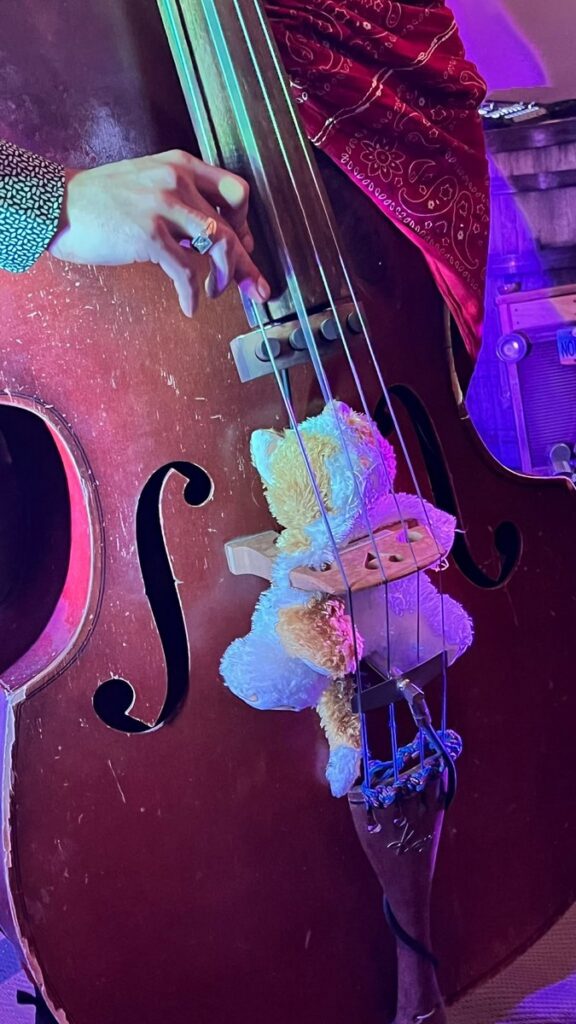
    MoonCats’ self-described “Americonscious Campfire Folk” fits a room like that naturally. Their mix of banjo, upright bass, guitar, mandolin, harmonica, and washboard creates the kind of sound that feels less like a performance and more like a gathering. By the end of the night there were plenty of smiles, a few dancers moving around the edges, and the sense that people were exactly where they wanted to be.
    The MoonCats will be back in the Black Hills playing at the Prairie Dog for their one year anniversary party on March 28th


    Side Quest

    Featured Artist | Pine Cone Bone Works

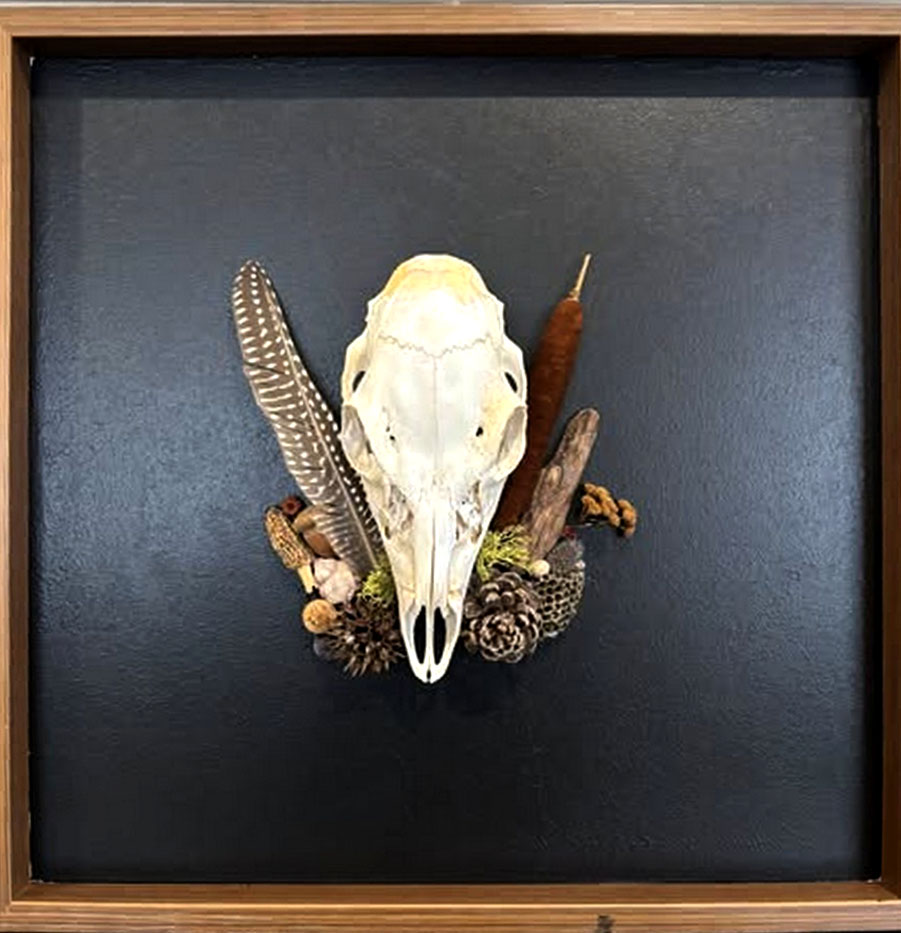
    Lost Cabin also continues to treat the art on its walls with the same care it gives its music programming. The current featured artist, Pine Cone Bone Works, builds sculptural pieces using materials gathered directly from the Black Hills landscape.

    Bones, feathers, pinecones, dried plants, and seed pods are carefully arranged inside shadowbox frames against dark backgrounds that let the textures stand out. The pieces feel part natural history and part quiet tribute to the place they come from, small compositions built entirely from what the land provides.
    There is an art reception for Pinecone Boneworks at Lost Cabin on Sunday March 22nd from 2:00-4:00


    Friday

    Dahl Arts Center | Photography Showcase

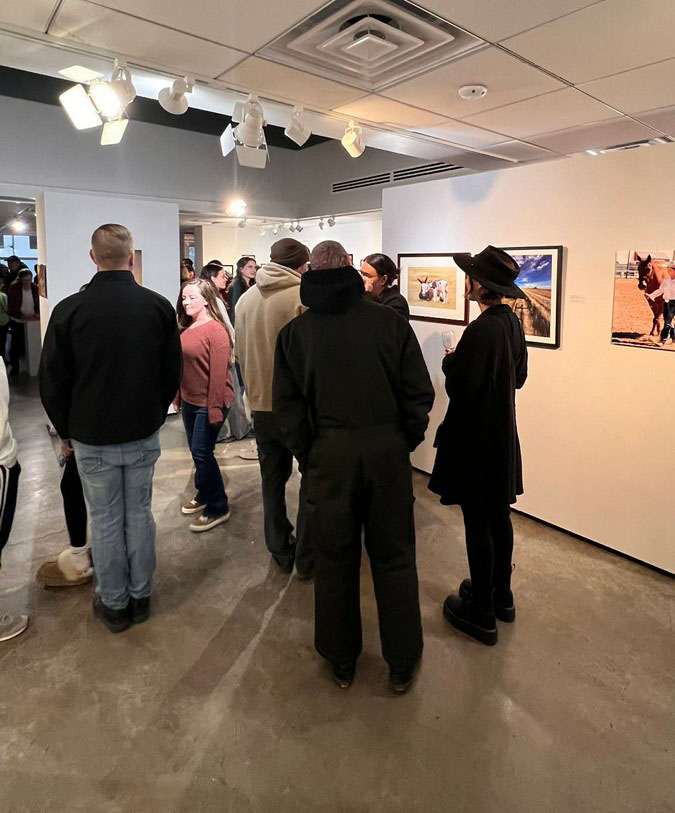
    The Dahl Arts Center was packed over the weekend for this year’s community photography exhibition, which invited photographers to explore the idea of “home” through images connected to the Black Hills and surrounding region.

    The show drew roughly 250 submissions, with about 55 photographs selected for the gallery. With that many artists involved, the reception carried a lot of energy. Photographers, families, and friends filled the space as people waited to hear which pieces would receive awards.

    One image that stood out was Russell Jensen’s Seeking Shelter, which took Best in Show. At first glance the photograph feels understated, but the longer you spend with it the more it reveals. Layers of trees frame the view toward a distant town while a lone figure moves down the tracks in the foreground. It’s the kind of image that rewards slow looking, quietly building its story the longer you stay with it.

    Home in Focus will be up at the Dahl Arts Center until May 2nd, 2026


    photos by Russell Jensen, Sage Studios

    SUNDAY

    Black Hills Community Theatre | City of Angels

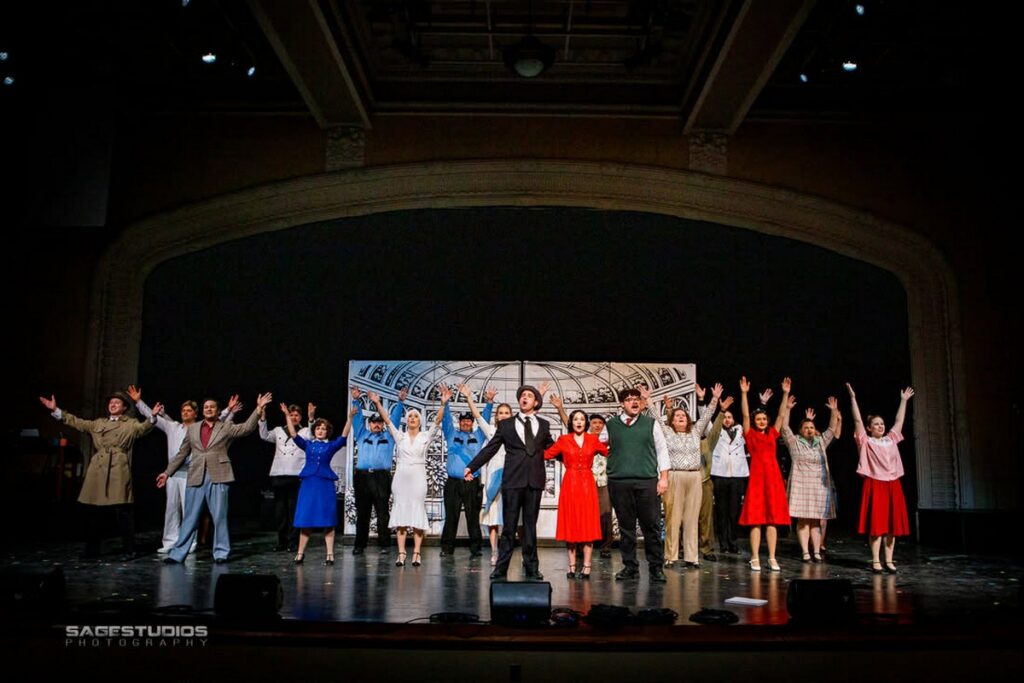
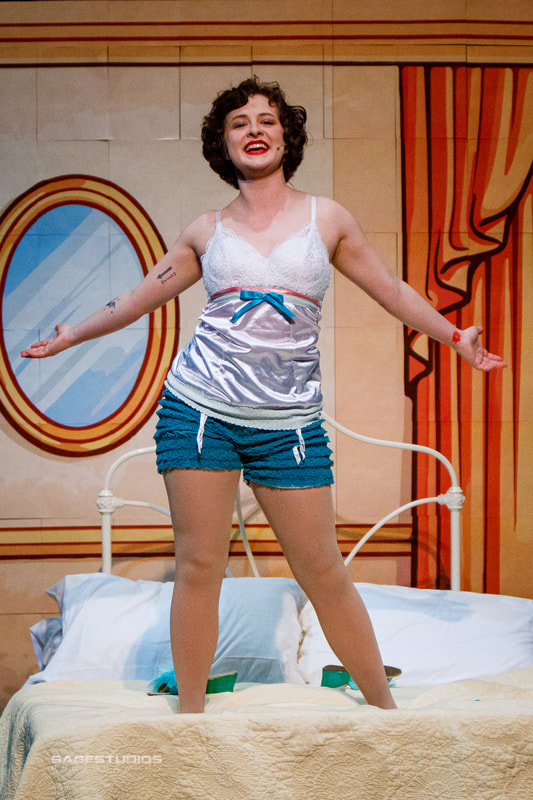
    Sunday afternoon brought a different kind of performance with Black Hills Community Theatre’s production of City of Angels. What stood out most wasn’t a single performer but the ensemble itself. The cast worked as a complete unit, with voices blending powerfully in the large musical numbers while several performers could easily fill the auditorium on their own when the moment called for it.

    The show’s concept adds another layer of intrigue. City of Angels flips between two worlds: the noir detective story unfolding inside a screenplay and the real-life Hollywood writer struggling to finish it. The production makes that contrast visually clear. The noir sequences live in black-and-white costumes and cool blue lighting, while the writer’s world shifts to warmer colors and brighter tones.

    A live orchestra anchored the entire production, landing every transition and musical cue with precision.

    Productions like this also highlight something remarkable about community theatre. City of Angels brought together 22 cast members, 15 people on the crew and production team, and a 14-piece orchestra. That’s roughly 50 people from the community working together to bring a single show to life on stage.

    Several performances stood out along the way, including Dakota Morgan as Stine, Tom Powers as Stone, Leslie Hopton as Gabby/Bobbi, and Rose Lamoureaux as Donna/Oolie, whose voice and stage presence commanded the room. Dave DeChristopher also drew plenty of laughs as Buddy/Irwin, delivering just enough pompous flair to make the characters appropriately unpleasant while still providing some welcome comic relief.

    City of Angles runs for one more week at the Performing Arts Center of Rapid City in the Historic Theater – for tickets visit https://app.arts-people.com/index.php?show=286499


    SUNDAY NIGHT

    MAUL & SLAGGG

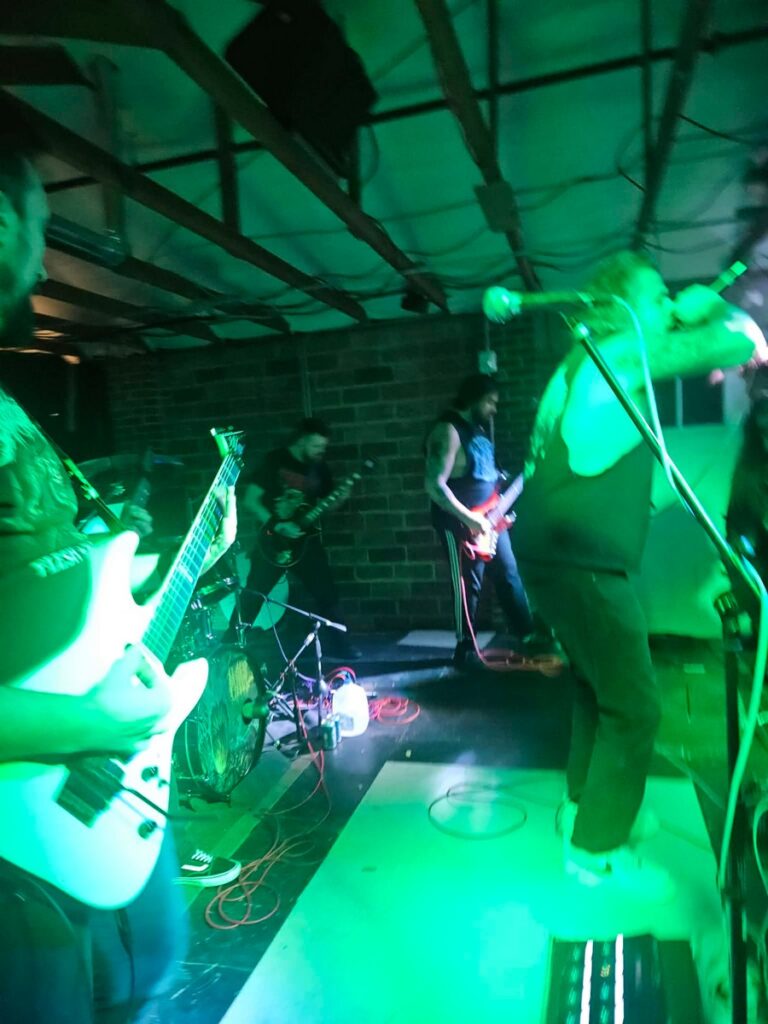
    SLAGGG kicked the show off with a wall of pounding drums, thumping bass, and cavernous screams ripping through the room. From the first hit, the riffs were relentless, sharp, heavy, and built for chaos. The band kept the energy cranked the entire set, driving the aggression with ferocious vocals and a stage presence that demanded movement. The drums didn’t let up, the bass locked in like a war machine, and before long the pit was alive. If you weren’t already awake when SLAGGG started, you were by the time they finished.

    After a quick beer break, MAUL stepped up and immediately cranked everything to eleven. The pit re-ignited the second they launched into their first track, fueled by the band’s thick, dark death metal energy. With three guitarists on stage stacked on top of the bass, the sheer weight of the riffs was massive, and the layered progressions gave the songs a brutal sense of depth. Their set had everything you want from a proper death metal show: crushing half-time sections built for headbanging, blistering fast shredding, guttural screams, and circle pit collisions that kept the floor in constant motion.

    It was absolute chaos in the best possible way. At one point a kid even busted out a full backflip in the pit, which pretty much summed up the level of insanity in the room.


    Across a single weekend you could move from a packed brewery listening to campfire folk, to a gallery filled with photographers reflecting on what “home” means in the Black Hills, to a theatre where fifty community members worked together to bring a musical to life, and end the night inside a roaring death metal pit.

    Different rooms. Different audiences. Different sounds.

    But the thread running through all of it is the same: people continuing to build spaces for art and showing up to share those moments together.

  • Shenanigans, Shamrocks & Shillelaghs: Where to Celebrate St. Patrick’s Weekend in the Black Hills

    Shenanigans, Shamrocks & Shillelaghs: Where to Celebrate St. Patrick’s Weekend in the Black Hills

    Right about the time the grass starts turning green again in the Black Hills, the beers usually do too.St. Patrick’s weekend has a way of stirring up a little mischief as people head out looking for music, good company, and maybe a bit of luck along the way.

    From Rapid City dance floors to Deadwood’s parade-filled streets, the weekend brings together DJs, punk bands, pub crawls, and a few long-running traditions that have turned St. Patrick’s into one of the livelier weekends of the year across the region.

    Here’s a look at some of the places celebrating.

    While Rapid City spreads its celebrations across different venues, Deadwood tends to turn the entire town into the party.

    Deadwood St. Patrick’s Celebration

    March 13–14 • Downtown Deadwood

    The annual celebration includes a parade, citywide pub crawl, live entertainment, and the Lucky Leprechaun Hunt, a scavenger-style challenge that sends participants searching for QR codes in businesses throughout town.

    Highlights include:

    Lucky Leprechaun Hunt
    Participants use the Plan Deadwood app to locate hidden QR codes in participating businesses across town.

    Eggs & Kegs
    Saturday morning at the Deadwood Social Club.

    St. Paddy’s Parade
    Saturday at noon along Main Street.

    Deadwood Pub Crawl
    Registration begins at 11 AM at the Franklin Hotel, with the crawl officially starting at 2:30 PM.

    Singing Nuns Performances
    Throwback performances Saturday afternoon at the Franklin Hotel and Nugget Saloon as part of Deadwood’s 150th anniversary events.

    Looking Ahead to the Weekend

    Between Deadwood’s street celebrations and Rapid City’s lineup of bands, DJs, and pub crawl stops, St. Patrick’s weekend tends to bring people out across the Hills for a few days of music and late nights.

    And if history is any guide, it’s usually the kind of weekend where plans start with one stop and end somewhere completely different.


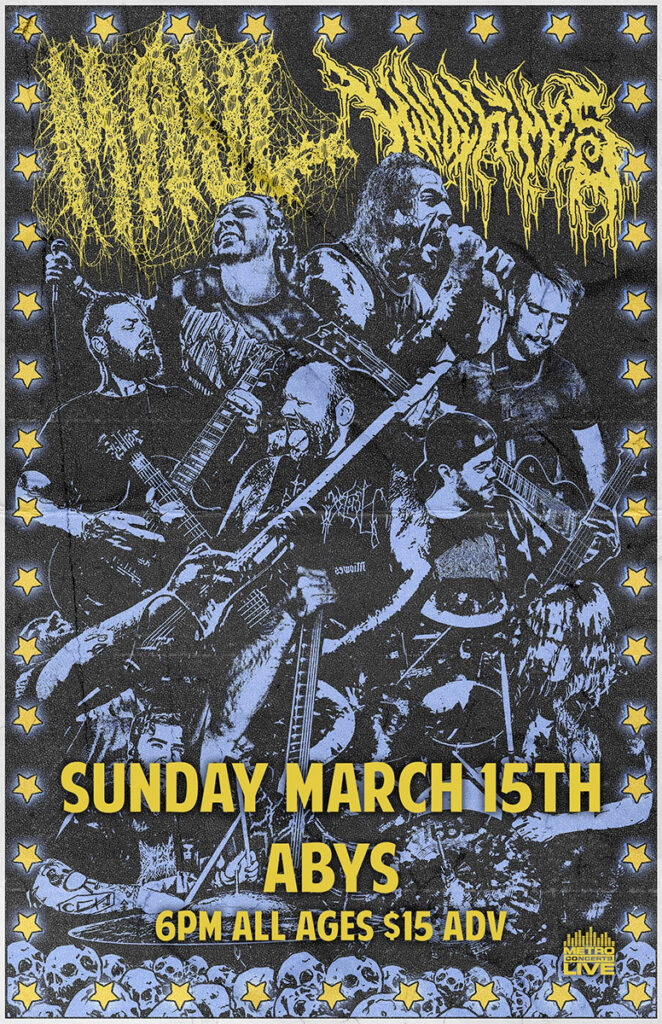
  • Maul, Slaggg, and Windchimes Hit Aby’s Sunday

    Maul, Slaggg, and Windchimes Hit Aby’s Sunday

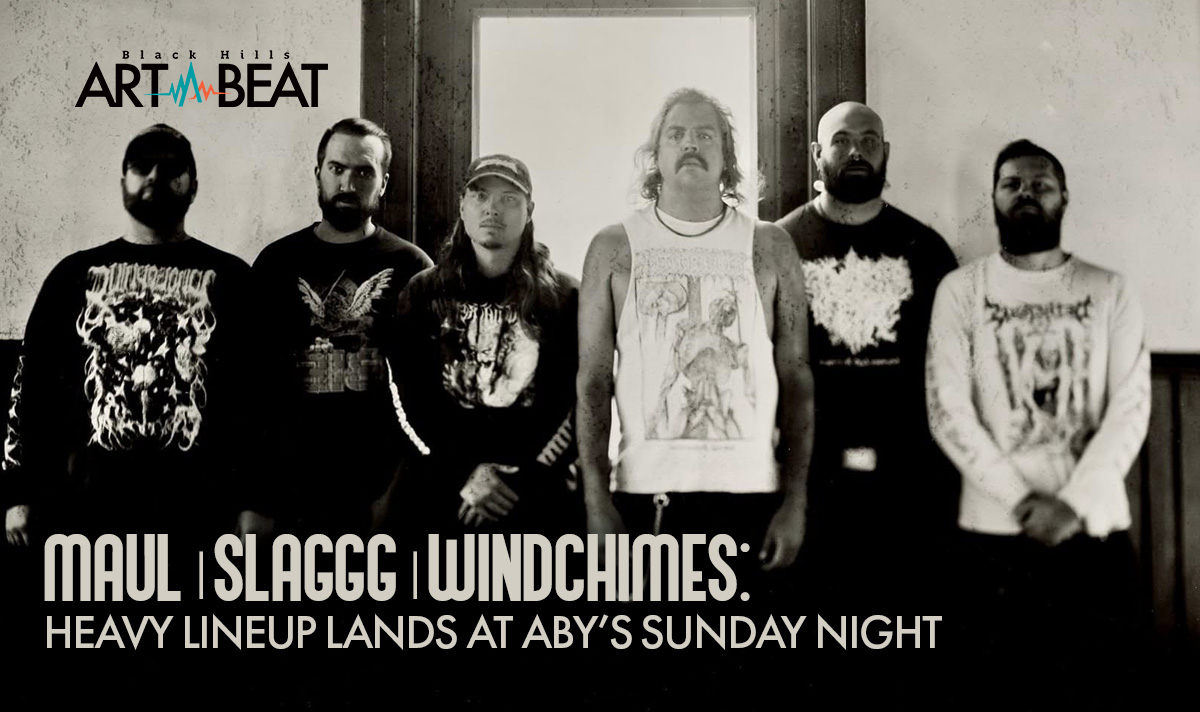
    Rapid City’s metal scene gets a jolt this Sunday as touring death metal band Maul launches their latest run right here in the Black Hills.

    The Fargo, North Dakota group has been gaining traction across the Midwest death metal circuit since forming in 2017. Their sound blends old-school death metal with hardcore, sludge, and slam influences, landing somewhere in the thick, mid-tempo territory made famous by bands like Obituary and Jungle Rot. The result is a heavy, atmospheric style that has helped establish the band as part of the rising Midwest death metal movement.

    Fronted by vocalist Garrett Alvarado, Maul is known for dynamic vocals that shift between piercing screams and deep guttural growls. Their debut full-length Seraphic Punishment introduced many listeners to the band’s crushing sound, while their 2024 follow-up In the Jaws of Bereavement tightened the formula with a sharper, more direct production.

    Sunday’s show also highlights the Black Hills’ own heavy music community. Rapid City band Slaggg joins the bill after being added on short notice, helping anchor the local side of the lineup and showing that there is still a strong appetite for metal shows in the region.

    They are joined by Windchimes, another regional act bringing their own brand of extreme metal to the stage. Together, the lineup mixes touring momentum with the bands actively building the local scene.

    The event is being organized with the help of local promoter Corey Church and the team at Aby’s Pub & Casino, one of the few venues in Rapid City consistently opening its doors to underground genres.

    For Maul, the night marks the first stop of their new tour. For the Black Hills metal crowd, it is a chance to pack a room and send the band off on the road the right way.

    Event Details


    Maul with Slaggg and Windchimes
    Sunday March 15, 2026
    @Aby’s Pub & Casino | Rapid City

    If you want to preview the bands or follow the tour:

    Maul tour updates
    https://www.facebook.com/MAULND

    Recommended listen: Maul – Seraphic Punishment
    https://www.metal-archives.com/albums/Maul/Seraphic_Punishment/1041695

    Windchimes
    https://windchimesband.bandcamp.com/album/enveloping-retribution

    Slaggg
    https://slaggg.bandcamp.com/